The Evaluation of the Efficacy and Safety of the Use of Psilocybin in the Treatment of Adults with Treatment-Resistant Depression
DOI:
https://doi.org/10.59973/emjsr.317Keywords:
Treatment-resistant depression, Psilocybin, Major Depressive DisorderAbstract
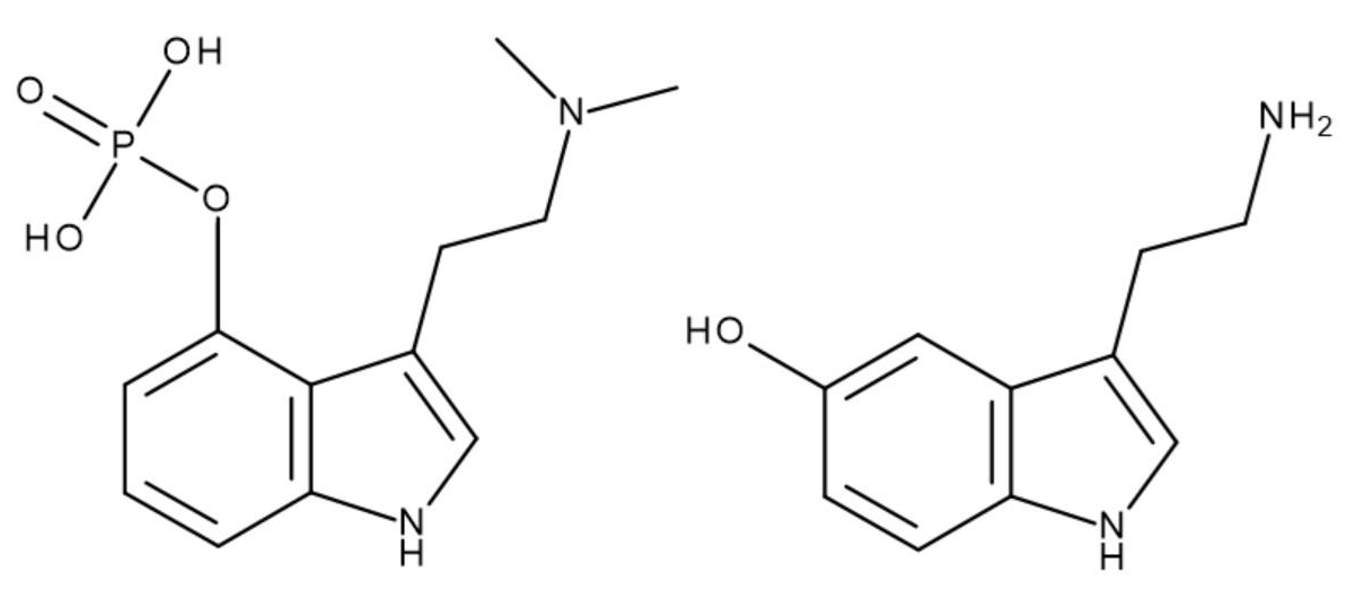
Treatment-resistant depression (TRD) has been well-researched within scientific literature, although the therapeutic value of psilocybin is not fully understood. The aim of this systematic review is to determine a stable and effective dosage unit to inform health professionals of the benefits of psilocybin, using peer-reviewed literature and meta-analysis. The review will also compare selective serotonin reuptake inhibitors (SSRIs) with psychotherapy to draw conclusions and recommendations of psilocybin therapy to improve day-to-day living for affected patients. PubMed and the University of Portsmouth Discovery online database (EBSCOhost) were individually utilised from December 2024 to March 2025. Five open-label studies and 2 randomised controlled trials (RCTs) were selected to assess psilocybin efficacy and safety. Appraisal checklists along with search criteria were used to determine eligibility and reliability of these data. The random-effects meta-analyses demonstrated that psilocybin at 25 mg within specific integrated sessions was effective at treating TRD compared to 10 mg and 1 mg by comparing clinical trials between two doses and single doses. Psilocybin at 25 mg was found to significantly reduce patients’ depressive severity compared to the baseline, which was prevalent in the two-dose studies (n = 5) compared to the single-dose studies (n = 2), due to the number of studies produced. The overall evidence suggests that psilocybin is an effective therapeutic for treatment-resistant depression, with a dosage unit of 25 mg administered as a single capsule per dosing session, with one dose per clinical session. Limitations to the evidence and this review have affected the overall results; therefore, more relevant studies are needed.
References
Breeksema JJ, Niemeijer A, Krediet E, et al. Patient perspectives and experiences with psilocybin treatment for treatment-resistant depression: a qualitative study. Sci Rep. 2024;14(1):2929. https://doi.org/10.1038/s41598-024-53188-9
Copa D, Erritzoe D, Giribaldi B, Nutt D, Carhart-Harris R, Tagliazucchi E. Predicting the outcome of psilocybin treatment for
depression from baseline fMRI functional connectivity. J Affect Disord. 2024;353:60–69. https://doi.org/10.1016/j.jad.2024.02.089
Symptoms – depression in adults [Internet]. NHS; c2023 [cited 2025 Mar 30]. https://www.nhs.uk/mental-health/conditions/depression-in-adults/symptoms/
Voineskos D, Daskalakis ZJ, Blumberger DM. Management of Treatment-Resistant Depression: Challenges and Strategies. Neuropsychiatr Dis Treat. 2020;16:221–234. https://doi.org/10.2147/NDT.S198774
Treatment-resistant depression [Internet]. Cleveland Clinic; c2023 [cited 2025 Mar 30].
https://my.clevelandclinic.org/health/diseases/24991-treatment-resistant-depression
McIntyre RS, Alsuwaidan M, Baune BT, et al. Treatment-resistant depression: definition, prevalence, detection, management, and investigational interventions. World Psychiatry. 2023;22(3):394–412. http://dx.doi.org/10.1002/wps.21120
Antidepressants, SSRI/antagonist: Drug class, uses, side effects, drug names [Internet]. RxList; c2021 [cited 2025 Mar 30]. https://www.rxlist.com/antidepressants_ssriantagonist/drug-class.htm
Sherrell Z. SSRIs: Benefits, types, and more [Internet]. Medical News Today; c2025 [cited 2025 Mar 30].
https://www.medicalnewstoday.com/articles/ssri
Chu A, Wadhwa R. Selective serotonin reuptake inhibitors [Internet]. StatPearls Publishing; c2025.
https://www.ncbi.nlm.nih.gov/books/
Markopoulou K, Fischer S, Papadopoulos A, et al. Comparison of hypothalamo-pituitary-adrenal function in treatment resistant unipolar and bipolar depression. Transl Psychiatry. 2021;11(1):244. https://doi.org/10.1038/s41398-021-01343-5
Varghese FP, Brown ES. The Hypothalamic-Pituitary-Adrenal Axis in Major Depressive Disorder. Prim Care Companion J Clin
Psychiatry. 2001;3(4):151–155. https://doi.org/10.4088/pcc.v03n0401
Menke A. The HPA Axis as Target for Depression. Curr Neuropharmacol. 2024;22(5):904–915.
https://doi.org/10.2174/1570159X21666230811141557
Halaris A, Sohl E, Whitham EA. Treatment-Resistant Depression Revisited: A Glimmer of Hope. J Pers Med. 2021;11(2):155.
https://doi.org/10.3390/jpm11020155
Ronaldson A, Carvalho LA, Kostich K, et al. Effects of six-day SSRI administration on diurnal cortisol secretion. Psychopharmacology. 2018;235(12):3415–3422. https://doi.org/10.1007/s00213-018-5050-1
Aguilera G. The Hypothalamic–Pituitary–Adrenal Axis and Neuroendocrine Responses to Stress. Handbook of Neuroendocrinology. 2012;8(1):175–196. https://doi.org/10.1016/B978-0-12-375097-6.10008-3
Geiger HA, Wurst MG, Daniels RN. DARK classics in chemical neuroscience: Psilocybin. ACS Chem Neurosci. 2018;9(10):2438–2447. https://doi.org/10.1021/acschemneuro.8b00186
Van Der Merwe B, Rockefeller A, Kilian A, et al. Two novel Psilocybe species from southern Africa. Mycologia. 2024;116(5):821–834. https://doi.org/10.1080/00275514.2024.2363137
Van Court RC, Wiseman MS, Meyer KW, et al. Diversity, biology, and history of psilocybin-containing fungi. Fungal Biol.
;126(4):308–319. https://doi.org/10.1016/j.funbio.2022.01.003
Stothard B. Fifty years of the UK Misuse of Drugs Act 1971. Drugs Alcohol Today. 2021;21(4):298–311. https://doi.org/10.1108/DAT-08-2021-0038
Rucker JJ, Marwood L, Ajantaival R-LJ, et al. Effects of psilocybin on cognitive and emotional functions. J Psychopharmacol.
;36(1):114–125. https://doi.org/10.1177/02698811211064720
Davis K. Psilocybin (magic mushrooms): Effects and risks [Internet]. Medical News Today; c2024.
https://www.medicalnewstoday.com/articles/psilocybin-magic-mushrooms
Goodwin GM, Croal M, Feifel D, et al. Psilocybin for treatment-resistant depression with concomitant SSRI use. Neuropsychopharmacology. 2023;48(10):1492–1499. https://doi.org/10.1038/s41386-023-01648-7
Crowe M, Manuel J, Carlyle D, Lacey C. Psilocybin-assisted psychotherapy for treatment-resistant depression. Int J Ment Health Nurs. 2023;32(6):1766–1772. https://doi.org/10.1111/inm.13214
PRISMA statement [Internet]; c2024 [cited 2025 Mar 30]. https://www.prisma-statement.org/
Frandsen TF, Bruun Nielsen MF, Lindhardt CL, Eriksen MB. Using the full PICO model as a search tool for systematic reviews. J Clin Epidemiol. 2020;127:69–75. https://doi.org/10.1016/j.jclinepi.2020.07.005
Carhart-Harris RL, Bolstridge M, Rucker J, et al. Psilocybin with psychological support for treatment-resistant depression. Lancet Psychiatry. 2016;3(7):619–627. https://doi.org/10.1016/S2215-0366(16)30065-7
Ghaznavi S, Richter SG. Classic Psychedelics for the Treatment of Depression. Drugs. 2025;85(4):609–626.
https://doi.org/10.1007/s40265-025-02172-2
Carhart-Harris, R. L., Bolstridge, M., Rucker, J, et al. Psilocybin with psychological support for treatment-resistant depression: an open-label feasibility study. The lancet. Psychiatry. 2016;3(7):619–627. https://doi.org/10.1016/S2215-0366(16)30065-7
Lyons T, Carhart-Harris RL. Forecasting future life events after psilocybin treatment. Front Psychol. 2018;9:1721.
http://dx.doi.org/10.3389/fpsyg.2018.01721
Carhart-Harris R, Giribaldi B, Watts R, et al. Trial of psilocybin versus escitalopram for depression. N Engl J Med. 2021;384(15):1402–1411. http://dx.doi.org/10.1056/NEJMoa2032994
Goodwin GM, Aaronson ST, Alvarez O, et al. Single-dose psilocybin for treatment-resistant depression. N Engl J Med.
;387(18):1637–1648. http://dx.doi.org/10.1056/NEJMoa2206443
Brice R. Systematic reviews checklist – CASP [Internet]. CASP; c2024 [cited 2025 Mar 30]. https://casp-uk.net/casp-tools-
checklists/systematic-review-checklist/
Downloads
Published
How to Cite
Issue
Section
License
Copyright (c) 2026 Rishika E Scott, James R Smith

This work is licensed under a Creative Commons Attribution 4.0 International License.